


Understanding the psychological triggers behind gambling behavior in casinos
The Allure of the Casino Environment
Casinos are meticulously designed to create an atmosphere that captivates and entices visitors. Bright lights, vivid colors, and strategic layouts are employed to stimulate the senses and enhance excitement. This environment is engineered to promote an emotional response, making gamblers feel both exhilarated and comfortable. The architecture itself often leads players deeper into the venue, encouraging them to stay longer and, consequently, wager more. For those looking to maximize their experience, one can discover top uk betting sites that provide excellent perks and user-friendly platforms.
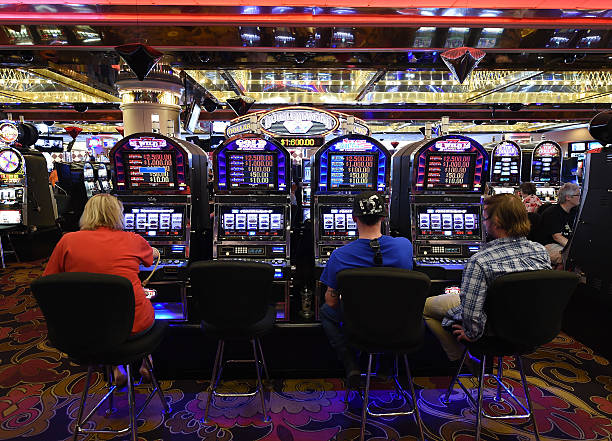
In addition to visual stimuli, sound plays a crucial role in the psychological experience of gambling. The sounds of coins clinking, chips being shuffled, and slot machines ringing create an auditory landscape that heightens the thrill of gambling. This sensory overload can lead to a euphoric state, which keeps players engaged. The combination of sights and sounds fosters an environment where rational thinking may diminish, making it easier for individuals to lose track of time and money.
Moreover, social interactions within casinos, such as camaraderie among players or the engaging presence of dealers, contribute to the allure of gambling. These social triggers can create a sense of belonging and community, which can be particularly enticing for those seeking connection. The blend of a stimulating environment and social engagement forms a powerful psychological trigger that encourages repeat visits to casinos.
The Role of Cognitive Biases
Cognitive biases are mental shortcuts that affect our judgment and decision-making processes, significantly influencing gambling behavior. One of the most prevalent biases in gambling is the illusion of control, where players believe they can influence the outcome of a game, especially in skill-based games like poker. This belief can lead to overconfidence, causing players to wager more than they should, driven by the false notion that they possess superior skills.
The gambler’s fallacy is another common cognitive bias, where individuals believe that past random events affect future probabilities. For example, a player may assume that a losing streak must be followed by a win, compelling them to continue betting despite losses. This kind of thinking can lead to disastrous financial decisions, as players ignore the independent nature of each game round.
Additionally, the concept of reinforcement is pivotal in understanding gambling behavior. Variable ratio reinforcement, where rewards are given after an unpredictable number of responses, is particularly effective in gambling. This unpredictability keeps players engaged, as they are motivated by the potential for a big win, often chasing losses and prolonging their gambling sessions. This psychological mechanism perpetuates gambling behavior and can lead to compulsive gambling over time.
The Impact of Emotion on Gambling Decisions
Emotions significantly influence gambling behavior, often dictating the decisions players make at the casino. High-stakes environments can evoke strong feelings of excitement, joy, and euphoria during wins. However, losses can lead to feelings of frustration, anger, or despair, leading to a cycle where players gamble more in an attempt to recover losses. This emotional rollercoaster creates a precarious relationship with gambling, often resulting in compulsive behavior.
Moreover, the emotional state of a gambler can be exacerbated by external factors, such as stress or social pressures. Individuals facing personal challenges might turn to gambling as a form of escapism, reinforcing the cycle of emotional dependency on gambling for relief. This behavior can mask underlying issues, further complicating the gambler’s relationship with the activity.
A significant aspect of how emotion drives gambling behavior is the concept of “chasing losses.” When players experience a loss, the emotional reaction can compel them to continue gambling in hopes of a recovery. This often leads to more significant losses, as emotions cloud judgment and decision-making. Understanding these emotional triggers is crucial in recognizing unhealthy gambling patterns and seeking appropriate interventions.
The Role of Marketing and Advertising
Marketing strategies employed by casinos are designed to attract players and create a sense of urgency around gambling. Promotional offers, such as free spins, loyalty programs, and enticing bonuses, play on psychological principles to draw people in. These marketing tactics exploit cognitive biases, making individuals feel as though they are missing out if they do not participate.
Additionally, advertisements often glamorize the lifestyle associated with gambling, showcasing lavish winnings and the thrill of high-stakes play. This portrayal can create unrealistic expectations, enticing individuals to gamble in hopes of achieving similar success. The psychological impact of such marketing can be profound, particularly for vulnerable individuals who may be swayed by the promise of fortune and excitement.
Moreover, the use of social media and digital platforms has transformed casino marketing. Online casinos utilize targeted advertising that appeals to users’ preferences, increasing the likelihood of engagement. These strategies often capitalize on social validation, where users may feel compelled to join in on gambling trends within their social circles. By creating a sense of community and excitement around gambling, these marketing techniques serve to bolster participation and spending in casinos.

Conclusion and Further Resources
Understanding the psychological triggers behind gambling behavior in casinos is essential for both players and those seeking to support them. From the immersive environment and cognitive biases to emotional influences and marketing strategies, each factor plays a significant role in shaping gambling experiences. Recognizing these triggers can empower individuals to make informed decisions and foster healthier relationships with gambling.
For those interested in further exploring this topic, a wealth of resources is available that delves into the psychology of gambling, offering insights into responsible gambling practices. By educating oneself about the psychological aspects of gambling, individuals can better navigate their experiences and seek help if necessary. Awareness and understanding are crucial steps toward ensuring that gambling remains an enjoyable activity rather than a detrimental habit.