


Prepaid eSIM Plans That Give You Total Control and Savings
A prepaid eSIM is a digital SIM card that you buy and activate online before you travel, eliminating the need for a physical plastic card. This means you can connect instantly upon arrival without swapping out your home SIM, so your primary number remains active. It offers the unmatched freedom of selecting a data-only plan that fits your exact trip length, bypassing costly roaming fees entirely.
Unlocking Instant Connectivity: The Rise of Digital-Only Plans
Digital-only plans paired with prepaid eSIM are the key to unlocking instant connectivity. You bypass physical stores and shipping entirely, purchasing and activating a data plan within minutes directly from your device. This eliminates the friction of inserting a plastic SIM or waiting for delivery. The real advantage is the ability to switch plans or networks on the fly, tailoring your connectivity to your immediate needs without contracts or paperwork.
Your phone becomes a self-service portal for global connectivity, turning a traditional multi-day setup into a digital purchase and activation in under 120 seconds.
This approach finally makes prepaid connectivity as fluid and immediate as the data it provides.
How a digital SIM card rewrites the rulebook for travel
A digital SIM fundamentally rewrites the travel rulebook by untethering connectivity from a physical store. Instead of hunting for a local SIM upon arrival, you can activate a prepaid eSIM from home. This erases the need to carry a second phone or juggle tiny nano-SIMs. You land and are instantly online, bypassing airport kiosks and foreign-language paperwork. It also lets you effortlessly keep your home number active while running a local data plan simultaneously. This kills the roaming premium by enabling you to switch to a local carrier’s network at a local price, all without a single plastic card.
Why more users are tossing physical plastic for embedded profiles
Users are discarding physical plastic SIMs for embedded profiles because the digital eSIM eliminates the need to source, insert, or swap a physical card when activating a prepaid plan. This directly solves the problem of waiting for a SIM to arrive or hunting for a local store upon arrival. With an embedded profile, you download a prepaid plan instantly over Wi-Fi, gaining a local number and data within minutes rather than hours. The profile also frees up the physical SIM slot for a separate home carrier card, enabling dual-line functionality without carrying a second phone. Instant prepaid eSIM activation removes the logistical friction of physical card management entirely.
- No need to track, store, or risk losing a tiny physical SIM card
- Avoids the inconvenience of ejecting and swapping SIM trays during travel
- Eliminates the delay of shipping or physically purchasing a prepaid SIM before activation
Core Mechanics: What Sets a Pay-As-You-Go Digital Profile Apart
A pay-as-you-go digital profile for a prepaid eSIM lives or dies by its core mechanics. Unlike a postpaid plan, you never sign a contract or get a bill. Your digital profile is simply an eSIM that holds flexible data packages you top up manually. The key difference is on-demand activation: you choose a plan, install the profile via a QR code, and only pay for that specific data bucket—no monthly fees. The mechanic of “depletion” is what makes it unique: the data allowance expires only when you run out or when the plan’s validity window ends, whichever comes first. This means you’re not charged for unused time or extra data. Recharging is a direct, wallet-driven action—you buy more data, and it instantly refreshes the same profile, keeping your connection live without any invoicing or auto-renewal traps. That’s the practical, user-controlled engine behind it.
The activation process: scanning a code vs. inserting a card
Eliminating the physical slot, a prepaid eSIM’s activation hinges on scanning a QR code rather than fumbling with a SIM ejector tool. You purchase the plan, receive the code via email, open your phone’s settings, and scan—the profile downloads instantly. Contrast this with inserting a card, which requires locating the tray, aligning the nano-SIM, and a reboot. The code method works for dual-SIM users without removing their primary line, whereas swapping cards demands physically juggling two tiny chips. Speed defines the difference: scanning connects you in under a minute; insertion takes minutes of fiddling.
| Action | QR Code Scan | Card Insertion |
|---|---|---|
| Setup time | 30–60 seconds | 2–5 minutes |
| Required tool | None | SIM ejector or paperclip |
| Reboot needed | Usually no | Yes |
| Dual-SIM impact | Preserves existing line | Requires removing current SIM |
Understanding remote provisioning and carrier switch
Understanding remote provisioning is the technical backbone that enables a pay-as-you-go digital profile. It allows you to download and activate a prepaid eSIM profile over the air, eliminating the need for a physical SIM card. Carrier switch becomes a seamless process because this profile is not tied to a single network; instead, you can purchase and install a different carrier’s profile directly onto your device. The sequence involves:
- Selecting a target prepaid eSIM plan from an app or website.
- Scanning a QR code or using an app to remotely provision the profile.
- Activating the profile on your device, instantly switching carriers without removing a physical card.
This remote provisioning and carrier switch capability gives you the practical freedom to change networks for better coverage or rates within moments, all controlled through your digital profile settings.
Dual-SIM dynamics: blending a physical chip with an embedded one
The core advantage of a prepaid eSIM lies in dual-SIM flexibility, allowing a physical chip and an embedded profile to coexist. You can assign the physical SIM to a legacy number or primary carrier while the prepaid eSIM handles travel data. Switching between them is managed in settings, where you designate one for calls and another for data. This blend avoids swapping cards; the eSIM activates on demand, keeping the physical slot free for a home network or local backup. Typically, only one profile is active for data at a time, though both can receive voice.
Busting Common Myths About No-Contract Cellular Access
Many assume prepaid eSIM means poor coverage or slow data, but that’s outdated. The myth that no-contract equals unreliable network access is false; prepaid eSIMs tap the same major carrier towers as postpaid plans. Another common worry is that you can’t keep your number, yet porting is straightforward and supported. The idea that these eSIMs are only for short trips also misses the mark—they work perfectly for long-term use with automatic top-ups. Finally, the fear of complicated setup is unfounded; installing a prepaid eSIM takes minutes via a QR code, giving you immediate, flexible connectivity without hidden fees or credit checks. Busting common myths about no-contract cellular access reveals that prepaid eSIM offers genuine freedom and performance.
Debunking the idea that digital profiles drain battery faster
The belief that a prepaid eSIM’s digital profile drains your battery faster is a myth rooted in outdated assumptions. Modern eSIMs function identically to physical SIMs, consuming negligible power only during network registration and authentication. The actual battery drain comes from poor cellular signal strength, not the profile type. Your phone’s radio works harder searching for a weak tower, not because it holds a digital SIM. For a prepaid eSIM user, the impact is indistinguishable.
- eSIM profiles are passive data files, not active processes that run and consume power.
- Switching between profiles uses a fraction of the energy required for a single minute of screen-on time.
- Battery drain attributed to eSIMs is often caused by background app activity or network scanning, which happen with any SIM.
- Manufacturers design eSIM hardware for the same power efficiency as physical SIM readers.
Addressing privacy concerns tied to eSIM-only lines
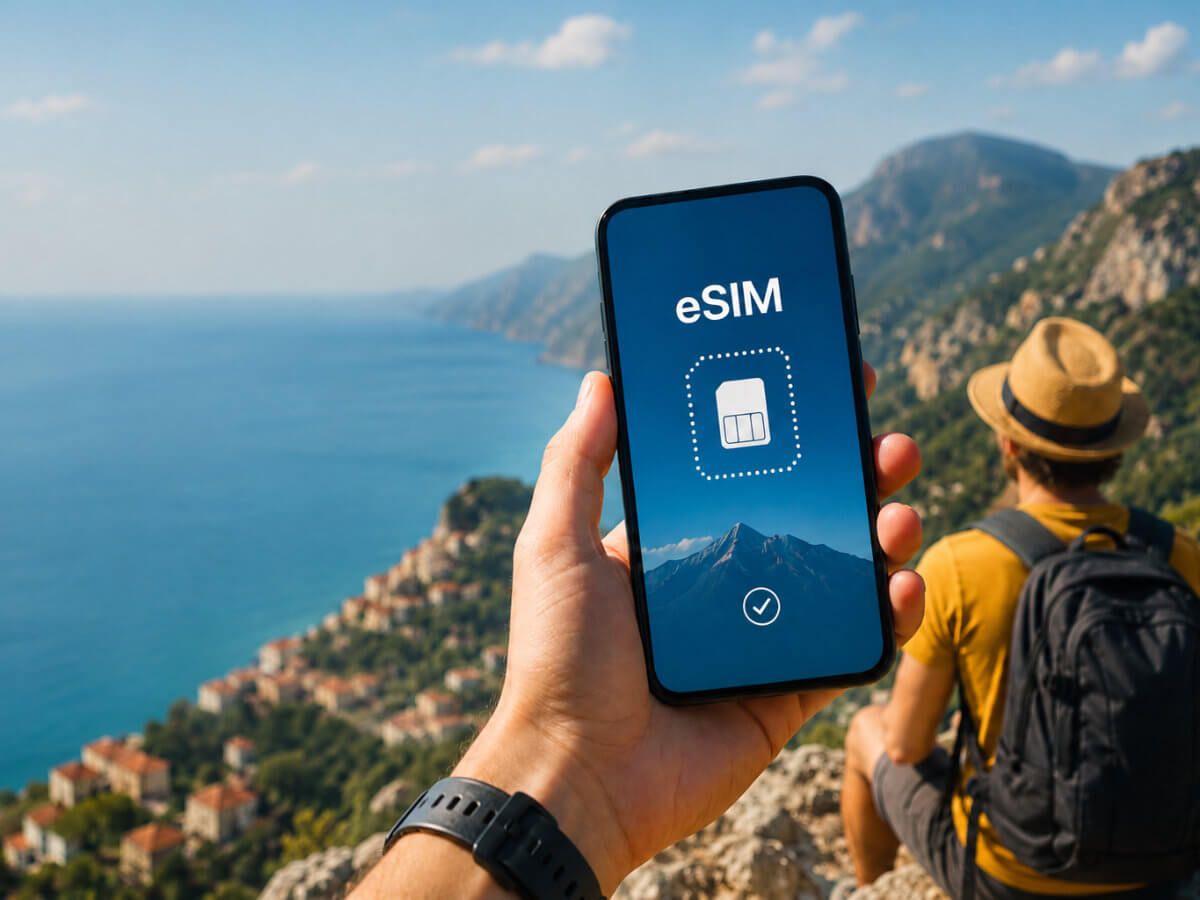
Addressing privacy concerns tied to eSIM-only lines means recognizing that a digital SIM eliminates the physical card a thief could steal. With a prepaid eSIM, your subscriber identity is locked inside the phone’s secure element, making SIM-swap fraud far harder to execute. Since no physical card is inserted, you never expose a printed ICCID or personal details during a retail purchase. You can also instantly erase or transfer the profile if your device is lost, cutting off access remotely. This control over your digital identity is why user-controlled eSIM privacy gives prepaid customers more autonomy than traditional postpaid plans tied to contracts and known addresses.
An eSIM-only line enhances privacy by preventing physical SIM theft, eliminating printed data exposure, and allowing instant remote deactivation of your profile.
Clearing up confusion around plan expiration and data rollover
Many people worry their prepaid eSIM data vanishes when the plan expires. That’s not always true. Some providers let unused data roll over if you renew before your current plan ends. This isn’t automatic though; you must manually check the specific carrier’s policy. If you miss the renewal window, you might lose that rollover balance entirely. Always note your expiration date and renew with time to spare.

- Confirm if your provider offers plan expiration data rollover before buying.
- Set a calendar reminder for renewal to preserve unused data.
- Read the fine print—some plans cap rollover at a certain amount.
- Remember that a lapsed plan often resets your data allowance to zero.
Strategic Buying Guide for Flexible Data Packages
A strategic buying guide for flexible data packages on a prepaid eSIM focuses on matching your data usage to a plan’s validity and top-up options. Prioritize providers offering multi-tiered data add-ons, such as 1GB, 5GB, or unlimited for a set number of days, to avoid overspending on unused capacity. Flexibility is key when selecting a package that allows rollover of unused data or pausing the plan. For example: Q: How do I choose a package for a two-week trip with variable data needs? A: Look for a prepaid eSIM that offers a base package (e.g., 3GB for 15 days) combined with the ability to purchase small, on-demand top-ups (e.g., 1GB for 24 hours) during high-usage days. This prevents waste and keeps costs predictable.
Evaluating regional vs. global options for multi-country trips
When evaluating regional vs. global options for multi-country trips, compare the specific coverage map of a regional eSIM against the global plan’s footprint. A regional plan often provides a better budget-optimized multi-country data strategy if your itinerary stays within one continent, as it reduces per-GB cost. Conversely, a global plan is more practical for trips spanning multiple continents, eliminating the need to swap eSIM profiles. Always verify that a global plan includes all your destination countries; some list “global” but exclude specific regions. Prioritize plans with consistent data speeds across zones, not just coverage.
Choose a regional plan for continent-specific itineraries to save money, but select a global plan for intercontinental travel to avoid profile swaps and ensure seamless connectivity.
Key factors: data speed tiers, hotspot allowances, and voice add-ons
When selecting a prepaid eSIM, prioritize data speed tiers and hotspot allowances to match your usage. Speed tiers range from capped 4G to full-speed 5G; a lower tier may cause buffering during video calls. Hotspot allowances vary—some plans share your main data pool, while others offer a separate, limited hotspot bucket. Voice add-ons are often optional for eSIMs; many data-focused plans exclude talk minutes, so verify if voice credits are bundled or require a separate purchase for calls. Comparing these three factors prevents unexpected throttling or connectivity gaps.
How to spot hidden fees in pay-what-you-use models

To spot hidden fees in pay-what-you-use prepaid eSIM models, scrutinize the per-unit pricing for data, calls, and texts—often buried in fine print. Look for minimum charge thresholds, such as a daily connection fee that activates on any use, even for a single kilobyte. Check for rounding increments, where a 1 MB session is billed at the full 100 MB block. Identify surcharge triggers, like fees for recharging with small top-ups or expiration penalties after inactivity. Compare the actual cost per megabyte applied across different providers, as base rates can double during peak hours or on certain networks.
| Hidden Fee Type | How to Spot It |
|---|---|
| Connection fees | Search terms like “daily access” or “session minimum” in terms. |
| Rounding charges | Check if usage is billed per MB or per full block (e.g., 10 MB). |
| Top-up penalties | Look for “small recharge surcharge” or minimum reload amounts. |
Device Compatibility: Checking Your Tech’s Readiness

Before purchasing a prepaid eSIM, you must verify your device’s readiness for embedded SIM technology. Check if your smartphone is eSIM-compatible through its official specifications or a carrier’s compatibility tool. Most modern iPhones (XR and later), Google Pixels (3a and later), and Samsung Galaxy S20 or later models support eSIM, but regional variants may differ. Additionally, ensure your device is unlocked, as carrier-locked phones may restrict prepaid eSIM activation. Confirm your operating system is updated to support the provider’s eSIM profile installation, often requiring iOS 12.1 or Android 9 or newer. Finally, verify that your phone allows multiple eSIM profiles if you plan to switch between prepaid plans frequently.
Smartphones, tablets, and wearables that embrace profile switching
For prepaid eSIM, your device must natively support multiple eSIM profiles with easy switching. Smartphones like recent iPhones and Google Pixels, tablets such as iPads Pro, and wearables like the Apple Watch Ultra allow you to store several prepaid eSIMs. To switch, follow this sequence:
- Open your device settings and navigate to the mobile data or cellular menu.
- Select the inactive prepaid eSIM profile from your stored list.
- Toggle it to active, which instantly disables your current line.
This eliminates the need for physical SIM swaps. Confirm that your wearable can independently manage profiles without requiring a tethered phone. Avoid devices that restrict you to a single active profile.
Unlocking carrier restrictions for full eSIM utility
To unlock full eSIM utility with a prepaid plan, you must first ensure your device is carrier-unlocked. A locked phone restricts eSIM profiles to your original provider, blocking third-party prepaid eSIMs. Start by checking your phone’s settings for a “Carrier Lock” status, then request an unlock code from your current carrier—typically after meeting contract terms. Once unlocked, you can freely install and switch between global prepaid eSIMs. Follow this sequence:
- Confirm device is carrier-unlocked via settings or entering a different provider’s eSIM.
- Submit an unlock request online or via customer service—clearance can take 24 hours.
- After approval, permanently remove carrier restrictions by inserting a non-compatible SIM or resetting network settings.
Older devices and workarounds for digital SIM adoption
Older phones without eSIM support aren’t dead ends for prepaid eSIM use. Many travelers use a physical SIM adapter, which fits a QR-code profile into an old nano-SIM tray, as a common workaround. Another low-tech trick is hotspot sharing: activate the eSIM on a newer primary device, then tether your older phone for data. Some providers also offer a temporary physical SIM that pairs with the eSIM account. Adapter-based eSIM cards are the most reliable fix for legacy hardware.
Q: Can I really use an eSIM in a 2018 smartphone?
A: Only if you buy an eSIM adapter card—a physical SIM that stores the eSIM profile and tricks the phone into thinking it’s a regular SIM. It works, but check adapter compatibility with your exact model first.
Real-World Use Cases Beyond Vacation Roaming
For digital nomads, a prepaid eSIM is essential for maintaining a permanent, portable phone number for banking 2FA and client calls while hopping between co-living spaces. Business travelers use a separate prepaid eSIM data plan alongside their primary carrier to avoid per-kilobyte international charges on work laptops and hotspots. Field researchers and journalists rely on local prepaid eSIMs for high-speed uplink in remote territories where postpaid agreements don’t exist. Prepaid eSIMs solve the “second line for logistics” problem for anyone managing short-term rentals or supply chains across borders—offloading delivery communications to a local number that can be discarded without canceling a primary contract.
A critical insight: always keep one prepaid eSIM installed solely for emergency tethering to a laptop, ensuring connectivity for critical banking or cloud backups even if your main line fails.
Crew on international yachts and flights use prepaid eSIMs to switch carrier by port or layover without swapping physical SIMs, which is impossible with soldered devices.
Using a backup data line for remote work and digital nomad life
For remote workers and digital nomads, a prepaid eSIM serves as a critical backup data line for remote work. When your primary local SIM fails or speeds are throttled, a prepaid eSIM provides instant failover to maintain video calls and uploads. The sequence for setup is straightforward: Singapore eSIM
- Purchase a prepaid eSIM before traveling, ensuring coverage in your destination.
- Configure it as a secondary SIM in your device settings.
- Activate the line only when your primary connection drops, preserving data allowances for emergencies.
This approach prevents complete network dependency, allowing continuous productivity without hunting for café Wi-Fi. By retaining access to a stable connection, you protect deadlines and client communication regardless of local infrastructure issues.
Kids’ phones and temporary numbers for short-term needs
Giving your kid a phone for after-school pickup or playdates? A prepaid eSIM with a temporary number keeps them reachable without a long-term contract. Install it in their old smartphone for short-term connectivity for kids – perfect for summer camp or a weekend trip with grandparents. When the need is over, just delete the eSIM profile; no monthly bills to cancel and no second number cluttering your family plan. This approach also works brilliantly for older kids trying out a phone for the first time without the commitment of a full plan.
Side-by-side comparison with traditional prepaid SIM cards
For daily drivers like digital nomads, the side-by-side comparison with traditional prepaid SIM cards shows eSIMs win on convenience. A physical SIM forces you to juggle tiny cards, worry about losing one, or waste time finding a store. With eSIM, you just scan a QR code or tap a profile, keeping your primary number active instantly. This eSIM versus physical SIM difference means no more swapping trays abroad; you toggle between data plans in settings while staying on local networks.
| Feature | Prepaid eSIM | Traditional SIM |
|---|---|---|
| Activation | Instant, online | Store visit, insert card |
| Dual line use | Easy, keep home line | Requires swapping or dual-tray phone |
| Physical risk | None, digital only | Loss or damage possible |
Step-by-Step Setup: From Purchase to Browsing
You land at the airport, pull out your phone, and open the travel eSIM store. Choosing a prepaid eSIM plan for your destination, you tap purchase and instantly receive a QR code via email. Scanning it with your camera, your phone’s settings automatically activate cellular data roaming on that new line. You then disable your primary SIM to avoid charges, and within seconds, the network appears. No physical card swap is needed—you can keep your home number active for calls while browsing maps and messaging friends. That seamless flow, from a single tap to live connectivity, defines the entire process.
Choosing a provider through app stores or online marketplaces
When selecting a prepaid eSIM, app stores and online marketplaces offer a streamlined comparison process. You can filter providers by destination, data allowance, and validity period, then read verified user reviews to gauge real-world performance. Many platforms display a speed rating based on local network coverage, helping you avoid plans with throttled connectivity. After purchase, the eSIM profile is delivered instantly via email or in-app QR code, bypassing physical shipping. Always check the marketplace’s refund policy for unused but activated eSIMs, as terms vary by vendor.
Choosing a provider through app stores or online marketplaces enables direct comparison of data plans, instant eSIM delivery, and access to user feedback, but requires careful review of coverage ratings and refund policies.
Installation walkthrough for iOS and Android devices
After purchasing your prepaid eSIM, installation walkthrough steps differ slightly between iOS and Android. On iOS, open Settings > Cellular > Add eSIM, then scan the provided QR code or enter the activation details manually. Your device will instantly provision the plan. For Android, go to Settings > Network & Internet > SIMs > Add SIM > Download a SIM instead, then follow the on-screen prompts after scanning the QR code. A common sequence is:
- Connect to Wi-Fi for a stable download.
- Scan the eSIM QR code from your provider.
- Confirm the activation on your carrier’s confirmation screen.
Both systems typically label the eSIM as “Secondary” or “Travel.” Ensure your default voice line and data line are correctly assigned upon completion.
Troubleshooting common QR code and activation hiccups
If the QR code refuses to scan, first check for screen glare or physical damage on the email or packaging—capturing it in a well-lit room without reflections often resolves the issue. For an activation hiccup fix, manually entering the eSIM details (SM-DP+ address and activation code) is a reliable workaround. If the network doesn’t appear after scanning, toggle airplane mode on for ten seconds to force a refresh, then ensure your phone’s cellular settings list the new plan as active. Rebooting the device should clear any lingering software stutter that blocks completion.
Future Trends Shaping the Top-Up Market
The future of the prepaid eSIM top-up market will be defined by instantaneous fulfillment, moving beyond batch processing to real-time credit activation. Users will expect a seamless experience where payment completion triggers immediate data assignment, eliminating any lag. A key trend is the integration of dynamic top-up thresholds, where eSIM profiles automatically request funds when balance dips below a user-set limit. This shifts the burden from manual replenishment to automated lifecycle management. Furthermore, the ecosystem will see a rise in multi-currency wallets linked directly to eSIM profiles, allowing travelers to fund data plans in their home currency without conversion fees. The most practical shift will be the decoupling of top-up from the eSIM purchase itself, enabling users to buy a zero-balance eSIM and add data packages later as specific needs arise, offering unprecedented flexibility.
The move toward dynamic data bundles and real-time top-ups
Prepaid eSIMs are shifting decisively toward dynamic data bundles and real-time top-ups, replacing static, pre-purchased plans. Users now buy exactly what they need, when they need it, through live consumption triggers. A traveler, for instance, can instantly add 500MB mid-video call without leaving the app, with usage-based pricing scaling to demand. This eliminates waste from unused data and eliminates panic from sudden depletion. Q: How does real-time top-up improve daily use? A: It lets you micro-manage connectivity—pause a bundle, boost speed for a critical upload, or auto-recharge only when speed drops below a threshold. Every top-up responds to your actual, immediate activity, not a fixed schedule.
How IoT and connected cars are adopting embedded subscriptions
Connected cars and IoT devices now ship with embedded prepaid eSIM subscriptions, allowing instant activation without physical SIM swaps. A vehicle, for example, can provision its own data plan from the factory, enabling navigation updates, remote diagnostics, and streaming services immediately. This approach locks the subscription to the device’s lifecycle, creating a persistent revenue stream for manufacturers while freeing users from manual top-ups. For smart sensors in logistics, embedded eSIMs automatically switch carriers to maintain coverage across regions, ensuring uninterrupted data flow. Users simply buy the device, and connectivity works out of the box, managed entirely through a single digital dashboard for renewals or plan adjustments.
Safety and Security in a Profile-Based Ecosystem
In a profile-based ecosystem, your prepaid eSIM’s security hinges on strict profile isolation, meaning your travel data never merges with your primary line. This separation reduces attack surfaces, as each eSIM profile operates in its own secure enclave with independent encryption keys. Remote profile management allows you to instantly delete or suspend a compromised prepaid eSIM without affecting your device’s core identity. Because the profile is ephemeral by design, a temporary prepaid eSIM offers less long-term exposure than a permanent roaming plan. Always verify that your provider demands two-factor authentication before downloading a new profile, ensuring only you activate your virtual SIM.
Protecting your primary number when using a secondary profile
A secondary prepaid eSIM profile acts as a shield for your primary mobile number, keeping it private during travel or work tasks. By assigning your main number only to the primary line and activating a secondary eSIM for data, you can browse and call without exposing your private contact. This setup uses digital number separation to prevent spam leaks and identity risks. You gain granular control; disable the secondary profile remotely without affecting your primary number’s access to banking or verification codes. Always set call forwarding from the secondary profile to a temporary voicemail, ensuring your core number stays untouched and secure.
How to delete or transfer a digital plan securely
To securely delete or transfer a prepaid eSIM plan, first back up any remaining balance or unused data. In your profile settings, look for the “Delete eSIM” or “Transfer Plan” option—choosing transfer will typically email a QR code or install link to the new device. Before deleting, ensure the eSIM is permanently unlinked from your account by removing it from your device’s mobile network settings first; this stops the plan from reactivating on a lost phone. For transfers, confirm the recipient has a QR-ready app or a compatible device. Never share your activation code outside the official transfer flow—scammers target leftover data on orphaned eSIMs.
Money-Saving Tactics for Frequent Switchers
For frequent switchers, the most potent money-saving tactic is leveraging prepaid eSIM “starter” or “new customer” data packs exclusively. Rotate between at least three different providers each month, exploiting their introductory offers without ever paying renewal rates. Always disable auto-recharge on every eSIM profile immediately after activation; this prevents accidental top-ups at higher rates. Leverage referral credits and loyalty bonuses by cycling through friends’ referral links when setting up each new eSIM. While this strategy demands diligent calendar tracking of expiry dates, the cumulative savings across a year of hopping between promotions easily undercuts any single “unlimited” plan. After using the data, delete the eSIM and the associated account to remain eligible for future new-customer deals from the same operators.
Leveraging trial periods and promotional priced bundles
Frequent switchers should treat trial periods as zero-risk compatibility and speed tests before committing data to a longer bundle. Pair these free windows with promotional priced bundles, which often offer a steep discount for the first month or a smaller data package. By timing your switch to coincide with a new-customer deal, you effectively lower your average cost per gigabyte without locking into standard renewal rates. This tactic requires tracking expiry dates to avoid losing the promotional rate, but it lets you cycle through carriers at maximum cost efficiency.
Combine free trial periods with promotional first-purchase bundles to test service quality while locking in discounted rates for your active switching cycle.
Stacking multi-plan discounts for family or roaming groups
Stacking multi-plan discounts for family or roaming groups involves layering per-line reductions offered by prepaid eSIM providers. Activate a primary family plan (e.g., one account with 3–5 lines) to qualify for a base discount, then add a multi-region global data pack to each line for simultaneous roaming. Some providers allow combining a group discount with a volume-based roaming add-on, effectively reducing cost per GB across all devices. Always verify in-app that your specific plan tier permits both discounts simultaneously, as some restrict stacking to either family or roaming, not both.
Q: Can I stack a family discount with a roaming add-on for the same line?
A: Yes, if the prepaid eSIM provider explicitly allows “layered discounts.” You typically need a group base plan (3+ lines) and then attach a separate roaming top-up to each line; both discounts apply to the final bill.
Comparing pay-per-gigabyte vs. unlimited throttled data
For frequent switchers juggling prepaid eSIMs, comparing pay-per-gigabyte with unlimited throttled data centers on usage patterns. A pay-per-gigabyte plan offers predictable, full-speed access for a fixed volume, ideal for steady, high-bandwidth tasks like streaming or video calls. Conversely, unlimited throttled data provides consistent low-speed access after a high-speed cap, suiting users who prioritize constant connectivity over speed for messaging or navigation. The cost-saving decision hinges on whether you value predictable full-speed volume or tolerate slower speeds to avoid per-gigabyte overage fees during data-intensive bursts. Frequent switchers should estimate their typical high-speed consumption to choose the tier that minimizes total outlay per plan swap.
Top Providers Pushing the Digital Boundary
Airalo and Holafly are pushing the digital boundary by making prepaid eSIM activation a frictionless, app-based experience. Instead of mailing physical SIMs, these providers let travelers download a local data plan seconds after landing, directly from their smartphone. Nomad eSIM pushes further by aggregating local carrier networks into a single management dashboard, letting users switch providers without swapping cards. Ubigi, meanwhile, delivers seamless cross-border roaming by bundling prepaid data across multiple countries under one digital wallet. These companies eliminate the physical step entirely, turning a traditional SIM purchase into an instant digital transaction that feels native to modern travel.
Niche operators that offer zero-physical-card services
For travelers seeking a frictionless start, niche operators like Airalo and Holafly excel with zero-physical-card services, eliminating SIM tray hassles entirely. Their platforms let users purchase, install, and activate a prepaid eSIM via app or website within minutes, bypassing all plastic. A single QR code or automatic profile download instantly connects your device to local networks, with no store visit required. These providers curate localized purely digital data packages for single countries or regions, ensuring you are online immediately upon arrival without swapping physical carriers.
Major network carriers adapting to eSIM-first models
Major network carriers are now streamlining prepaid activation by prioritizing digital eSIM provisioning, eliminating the need for physical SIM cards. For users, this means skipping the hunt for a retail store or waiting for a mailer. Instead, they complete the entire prepaid plan purchase and activation directly from their device’s settings, often in under two minutes. Carriers like T-Mobile and AT&T now embed eSIM profiles at checkout, allowing instant network switching or plan top-ups without inserting a chip. This shift gives travelers and locals alike immediate access to service, making the prepaid experience purely app-based and hassle-free.
| Carrier | eSIM Activation Method |
|---|---|
| T-Mobile | In-app QR code scan |
| AT&T | Device settings prompt |
| Verizon | Direct profile download |
User reviews and reliability scores for global coverage
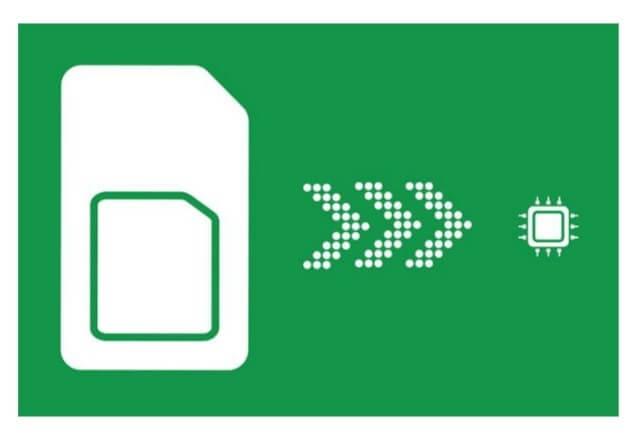
User reviews for global coverage highlight that reliability scores vary significantly by region. Travelers frequently note that providers with extensive local partnerships earn higher marks for connectivity in remote areas, while others face criticism for throttled speeds. Aggregate reliability is often measured via real-time feedback apps, with scores fluctuating based on network congestion. Practical breakdowns include:
- Providers averaging 4.2+ stars for consistent data in Europe but lower in Oceania.
- Negative reviews spike when promised seamless handoff between countries fails.
- Top-rated eSIMs show 90%+ uptime based on user-reported speed tests.